
Thailand's use of excise taxes to push Chinese EV makers toward local assembly is this week's most immediate development for companies expanding overseas. Foreign investment in Vietnam hit its highest level since 2009, while Malaysia secured a major Google investment even as it tightens data center approvals. All three stories point to higher barriers to establishing local operations.
This Week's Top Story: Thailand to Impose a 35% Excise Tax on Imported EVs Starting Next Year
What happened. On November 3, Thailand's cabinet approved excise tax changes at an off-site meeting in Udon Thani: effective January 1, 2027, the rate on imported battery-electric vehicles will rise from 10% to 35%, while the rate on imported range-extended EVs will increase from 15% to 35% [1]. Thai Deputy Prime Minister and Finance Minister Ekniti Nitithanprapas said the measure targets imported vehicles that are neither produced locally nor use local components [1]. Locally assembled models reportedly qualify for a 2% rate under the CKD system, in which complete knock-down kits are imported for local assembly [2].
Background. The adjustment implements resolutions adopted at two meetings of Thailand's National Electric Vehicle Policy Committee, on November 25, 2025, and September 10, 2026 [1]. The policy's immediate target is clear: according to Bloomberg data, Thailand imported $2.37 billion worth of EVs in the first nine months of 2026, with 96% coming from China; in September alone, China's share approached 99% [4]. Thai EV demand has continued to grow rapidly this year, with 191,273 EV registrations in the first nine months, up 83% year over year [4]. Data from the Federation of Thai Industries' Automotive Industry Club show that electric passenger vehicles accounted for 30.99% of total vehicle sales over the same period [2]. Xinhua summarized the official goals as protecting the domestic auto industry and attracting investment in local production [3].
Impact. This is good news for Chinese automakers that already have factories in Thailand. The Nation reported that several Chinese brands with existing assembly operations support the tax increase [2]. For brands still relying on imports of fully built vehicles, the economics have changed: production costs in China are reportedly at least 30% lower than in Thailand, but the widening tax gap makes local assembly significantly more attractive [2]. Several brands are already exploring options: Leapmotor plans to send a team to Thailand in November to further assess a CKD operation, with initial annual capacity envisioned at 60,000 to 80,000 vehicles; XPeng says it continues to study CKD operations in Thailand; and Dongfeng's Voyah is also exploring assembly in Thailand [2]. For parts suppliers and logistics companies, orders could consequently shift from ocean shipping of finished vehicles toward kit shipments and local supply.
What remains uncertain. First, the Finance Ministry has asked the Excise Department to discuss special tax rates for new investments with investors [1], but specific conditions have not yet been announced. Second, the automakers' plans outlined above remain under study and are not confirmed decisions to build factories. Third, whether there is a rush to import vehicles before January 1 next year will affect inventories and prices in the first half of 2027. Official Thai documents should be consulted for definitive tax details.

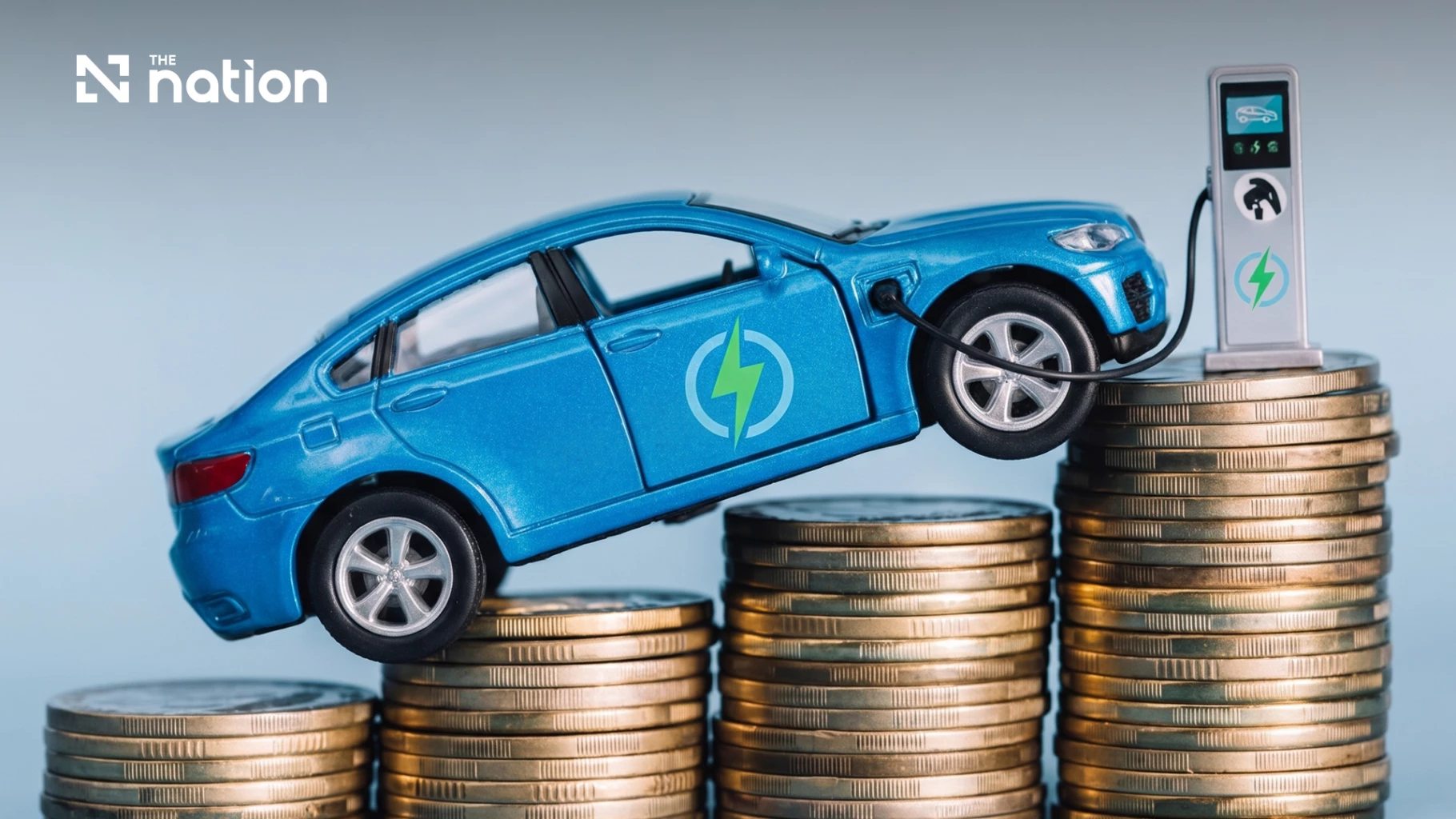
Image: Photo accompanying The Nation’s report on Chinese EV brands and Thailand’s excise tax (Source: The Nation)
Top Stories
Vietnam’s registered foreign investment reaches $54.85 billion in the first 10 months, the highest since 2009
This updates last issue’s report that newly registered Chinese investment in Vietnam totaled $2.27 billion in the first nine months. Vietnam’s statistics authorities announced on November 3 that total registered foreign investment reached $54.85 billion as of October 31, up 74% year over year and the highest level since 2009. This included 3,478 newly approved projects with $30.73 billion in registered capital, roughly 2.2 times the amount a year earlier [5]. Actual disbursements totaled approximately $24.08 billion, up 13.1% and the highest for the same period in five years [5]. Singapore led in newly approved capital with $9.52 billion, followed by South Korea with $5.81 billion, Luxembourg with $4.99 billion, Hong Kong, China, with $3.57 billion, and mainland China with $2.77 billion [5][6]. Manufacturing and processing attracted $14.61 billion in newly approved capital, accounting for 47.5%, while transportation and warehousing attracted $5.15 billion, or 16.7% [6]. However, Vietnam’s official media also cautioned that registered investment is growing significantly faster than actual disbursements, while local sourcing accounts for only 20%–25% of foreign-invested production chains [7].
Why it matters: Based on these figures, mainland China and Hong Kong together account for approximately $6.34 billion, or about one-fifth of newly approved capital. But Vietnam’s policy focus has shifted toward actual disbursements and local supply-chain support, so new projects need to plan for supplier localization earlier.
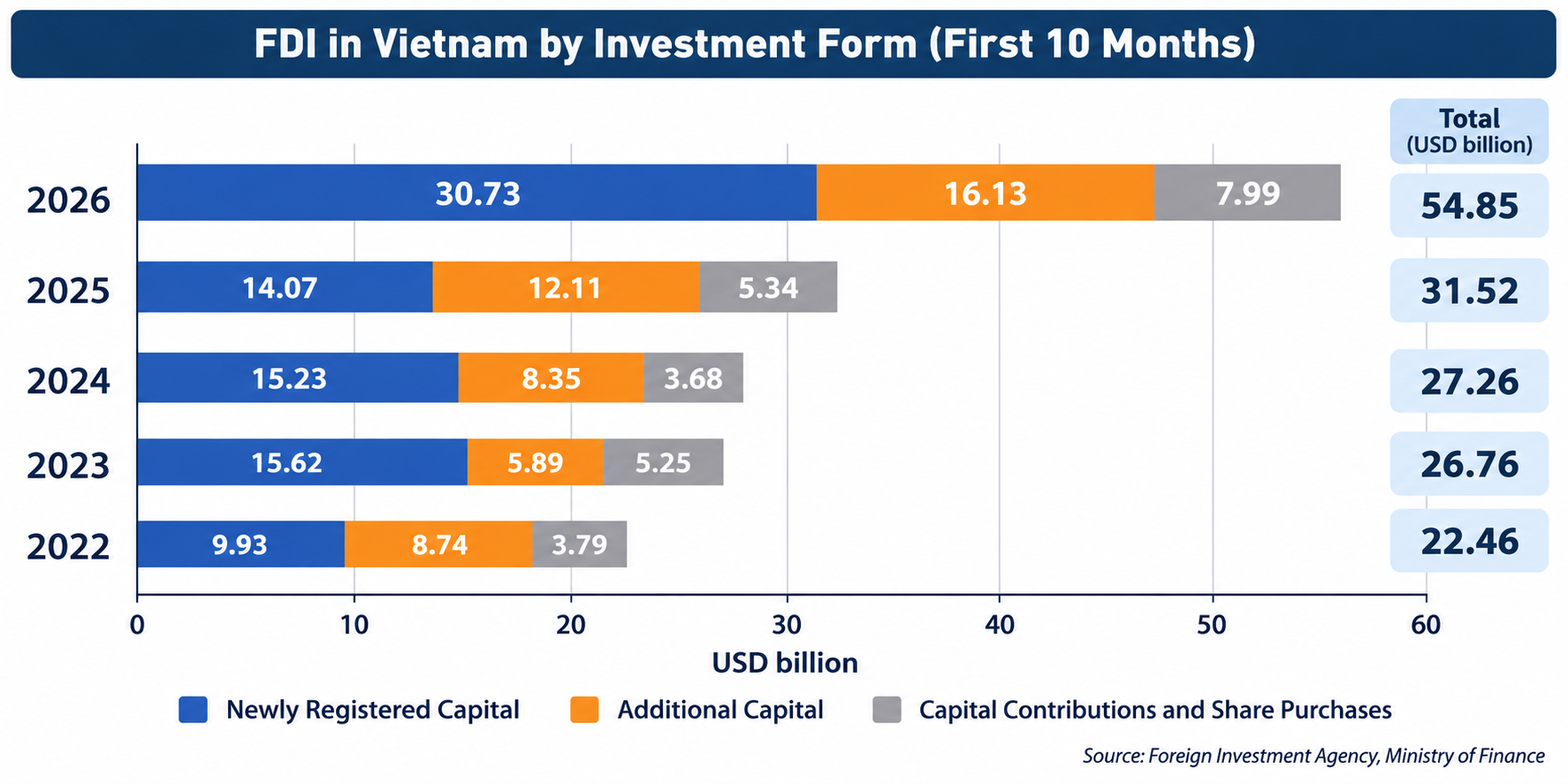
Image: Photo: FIA (Source: Vietnam Investment Review)
Google commits an additional $15 billion to Malaysia as project approvals tighten
Google announced on November 4 that it would invest $15 billion, equivalent to approximately 61 billion ringgit, in Malaysia between 2027 and 2028 for data center campuses and cloud operations [9]. The investment also includes adding more than 1 gigawatt of clean energy to the grid, water security projects, and training 800,000 Malaysians by 2031 [8]. Prime Minister Anwar said Google had weighed several options, including some ASEAN countries [9]. Meanwhile, approval requirements are becoming more stringent: On October 28, Deputy Prime Minister Fadillah said projects in areas with insufficient water reserves would not be considered, and data centers must maintain two days’ worth of water reserves and source at least 30% of their energy from renewables [8]. Energy authorities project that peak electricity demand from data centers in Peninsular Malaysia will reach 8.39 gigawatts by 2030, while their water consumption in Johor and Selangor will rise to 389.04 million liters per day, roughly six times the current level [8].
Why it matters: Opportunities remain for Chinese power equipment, cooling, engineering, and data center operators, but securing water and electricity is more critical to a project than securing land. The reports did not mention any Chinese companies participating in this project.
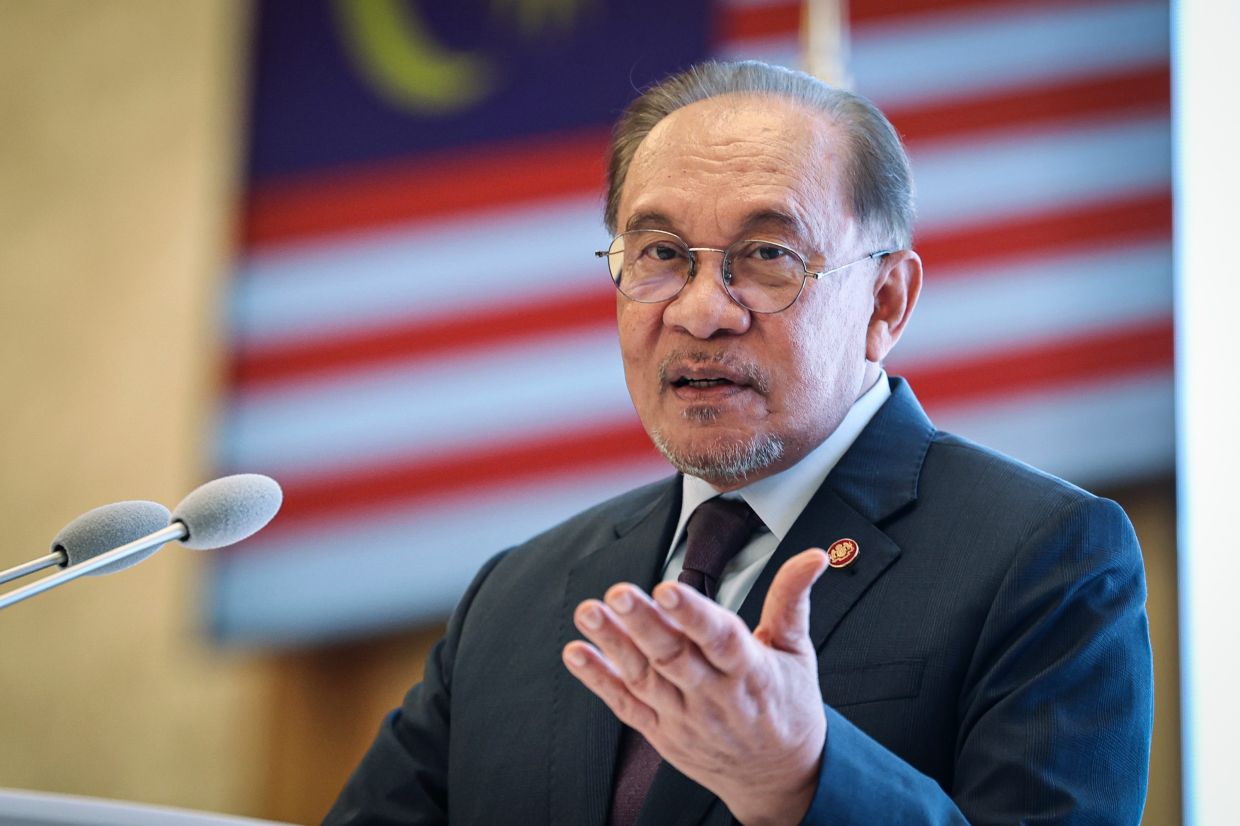
Image: Lead image from The Star's report on Google's investment in Malaysia (Source: The Star)
Johor–Singapore Special Economic Zone approves RM88.8 billion in investment, with 45% implemented
On November 2, Malaysian Economy Minister Akmal said in Singapore that the Johor–Singapore Special Economic Zone approved RM88.83 billion in investment between January 2025 and June 2026, expected to create 28,755 jobs. Of that investment, 45%, or RM40.3 billion, has been implemented, accounting for around 12,800 jobs [10]. The two countries held the first meeting of the Johor–Singapore Ministerial Committee for Cooperation that day and agreed to host a joint investment forum in the first quarter of 2027 [10]. The prime ministers of both countries are scheduled to unveil the zone's blueprint in December 2026 [10].
Why it matters: This is a rare cross-border industrial corridor within ASEAN. Chinese companies considering a “Singapore headquarters + Johor manufacturing” setup can wait for December's blueprint before finalizing site selection and legal entity arrangements, paying particular attention to cross-border movement of personnel, customs clearance for goods, and incentive provisions.
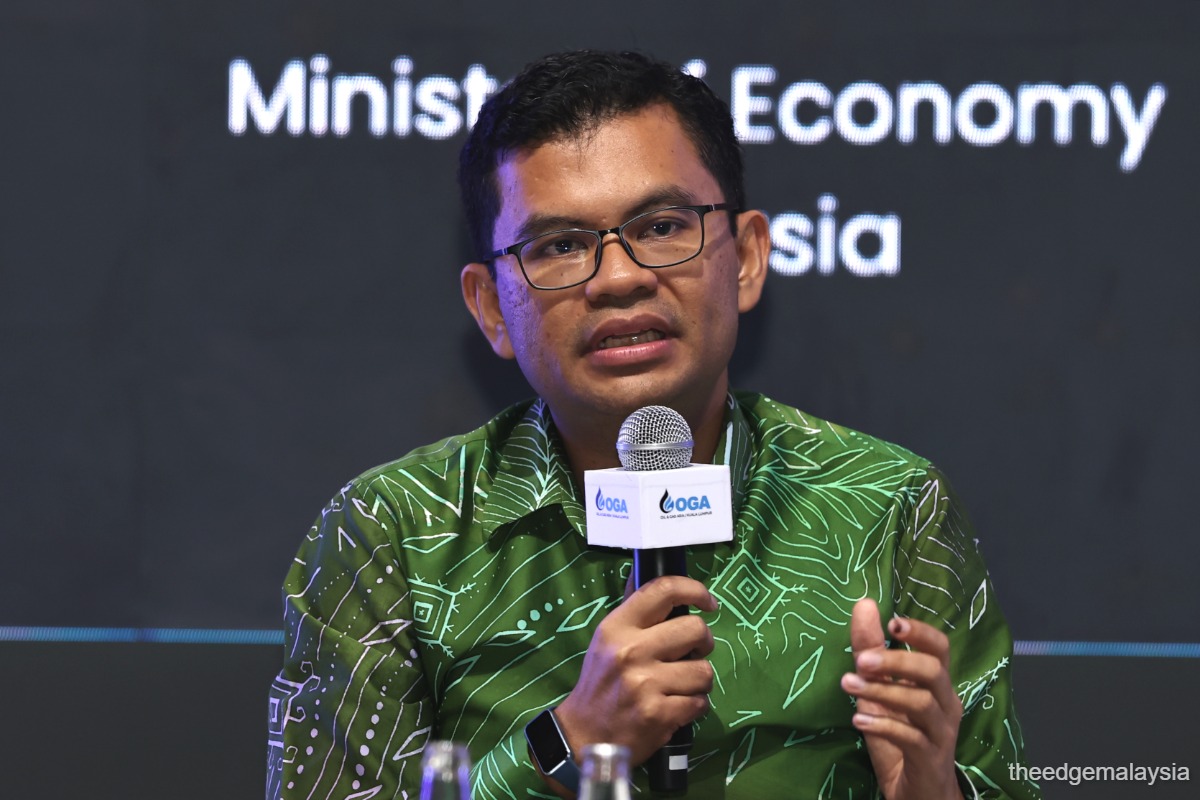
Image: File photo of Malaysian Economy Minister Akmal (Source: The Edge Malaysia)
Indonesia's economy grows 5.47% in Q3, with investment outpacing consumption
Gross fixed capital formation rose 6.06% year over year, household consumption grew 5.04%, and government consumption increased 8.95% [11]. A Bloomberg survey had forecast economic growth of 5.2% [17]. Indonesian Coordinating Minister for Economic Affairs Airlangga said the government was maintaining its full-year growth target of 5.4% [11]. On the trade front, September's surplus reached $3.36 billion, with exports rising 11.87%, supported primarily by processed palm oil products, nickel, and aluminum. Imports grew 18.41%, outpacing exports [16].
Why it matters: Strengthening domestic demand and investment are positive signals for Chinese companies operating in Indonesia's consumer goods, building materials, and resource processing sectors. Still, the strong official growth figures should be checked against companies' actual orders, and some experts have questioned the longer-term 8% growth target [17].
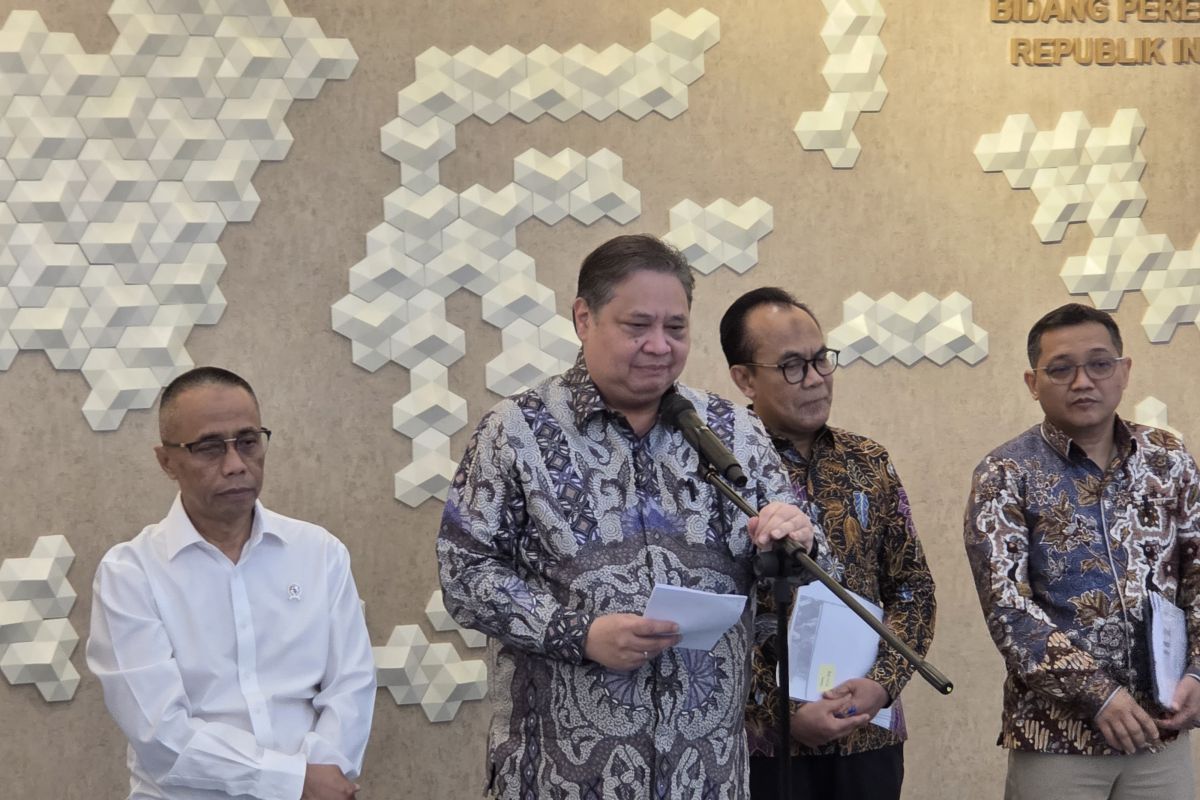
Image: Coordinating Minister for Economic Affairs Airlangga Hartarto (second left) in a press conference in Jakarta on Thursday (November 5, 2026). /ANTARA/Bayu Saputra. (Source: ANTARA)
Philippines: Investment Approvals Hit a Record High, but Domestic Manufacturing Is Contracting
Philippine Economic Zone Authority (PEZA) Director General Tereso Panga said approved investments reached 309.63 billion pesos as of the end of October, up 77% year over year and already exceeding the full-year target of 300 billion pesos. The annual total could reach 315 billion to 320 billion pesos, surpassing the 2012 record of 312 billion pesos [12]. Note that these approvals represent investment commitments by companies, not funds actually received [12]. Meanwhile, the Philippines’ manufacturing PMI fell to 49.1 in October, remaining below the threshold separating expansion from contraction for the second consecutive month [15]. Li Yi, president of the Federation of Philippine Industries, said businesses have put expansion on hold, prioritizing keeping operations running and retaining employees [14].
Why it matters: Strong investment approval figures do not necessarily mean an easy operating environment. Chinese companies considering entering the Philippines need to factor peso depreciation, imported raw material costs, and electricity prices into their return-on-investment calculations.
By the Numbers
- 35%: Thailand’s excise tax on imported battery-electric and range-extended electric vehicles starting in 2027 [1]
- 96%: China’s share of the value of Thailand’s electric vehicle imports in the first nine months [4]
- $54.85 billion: Vietnam’s registered foreign investment in the first 10 months, up 74% year over year [5]
- $15 billion: Google’s investment in Malaysia from 2027 to 2028 [9]
- 40.3 billion ringgit: Approved investments already implemented in the Johor–Singapore Special Economic Zone [10]
News Briefs
- Laos: S&P upgraded its long-term credit rating from CCC+ to B-, following Laos’s issuance of $500 million in sovereign bonds on the Hong Kong Stock Exchange and the signing of a tax agreement with Hong Kong [17]
- Cambodia: The Ministry of Economy and Finance cut its 2026 growth forecast to 4%, citing factors including the continued closure of the Cambodia–Thailand land border. Manufacturing exports, including garments, remain a pillar of growth [16]
- Cambodia: Royal Group’s LNG power plant, with investment exceeding $1.35 billion, is expected to bring its first 450 MW phase online by year-end. The group also plans to develop a special economic zone [14]
- Thailand: The Ministry of Industry is cracking down on industrial waste violations, inspecting 171 factories over two days and suspending new licenses for Category 105 and 106 factories. A proposal to use anti-money laundering measures in the crackdown remains under discussion [19]
- Vietnam: Average retail electricity prices fell 2% starting November 1, the first reduction in 20 years, helping ease factories’ energy costs [14]
- Vietnam: Media reports indicate that regional minimum wages will rise by an average of approximately 7.8% starting January 1, 2027, subject to official confirmation [20]
- Myanmar: The Yangon–Pathein route will use electric intercity buses from Chinese company Zhongtong [14]
- Grab: Third-quarter revenue reached $1.112 billion, up 27%, while the financial services segment posted positive adjusted EBITDA for the first time [18]
- ASEAN Summit: The Philippine Department of Foreign Affairs said Xi Jinping is not expected to attend, with Premier Li Qiang representing China instead. Official confirmation has not yet been received [13]
Editor’s Take
A common thread across several developments this week is that the bar is rising. Thailand is using tax rates to push for local assembly, Vietnam is beginning to scrutinize investment realization and local content rates, Malaysia is putting water and power availability ahead of land, and the Philippines’ approved investment figures also require a clear distinction between commitments and actual inflows. In our view, this means competition among Chinese companies in Southeast Asia has shifted from “who gets in first” to “who builds a deeper local presence.” For executives, the key variables in the next round of decisions are no longer just tariffs and labor costs, but the share of locally sourced inputs, access to energy and water, and how much of the manufacturing process local operations can handle. Market share gained through re-exports or exports of fully built vehicles will become more vulnerable to policy changes.
What to Watch Next
- November 18–19: The 33rd APEC Economic Leaders’ Meeting takes place in Shenzhen [13]
- December 2026: The Johor–Singapore Special Economic Zone blueprint is scheduled for release [10]
- January 1, 2027: Thailand’s 35% excise tax on imported electric vehicles takes effect [1]
References
- Thai Cabinet raises excise tax on certain EV imports to 35% from 2027 — The Nation, accessed on 2026-11-06
- Some Chinese EV brands back 35% Thai excise tax from 2027 — The Nation, accessed on 2026-11-06
- Thailand to raise excise tax on imported EVs to 35 pct from 2027 — Xinhua, accessed on 2026-11-06
- Thailand to raise excise tax on CBU EVs to 35% from Jan 1, 2027 — paultan.org, accessed on 2026-11-06
- Vietnam’s 10-month FDI inflows post strongest growth since 2009 — Vietnam+, accessed on 2026-11-06
- Vietnam's FDI inflows hit highest level since 2009 — Vietnam Investment Review, accessed on 2026-11-06
- Improving FDI quality to strengthen growth momentum — Vietnam+, accessed on 2026-11-06
- Malaysia’s data centre ceiling: can it absorb Google’s $15bn? — Capacity, accessed on 2026-11-06
- PM: Google weighed other Asean countries before picking Malaysia — The Star, accessed on 2026-11-06
- Approved investments for Johor-Singapore SEZ hit RM88.8b — economy minister — The Edge Malaysia, accessed on 2026-11-06
- Indonesia sets 5.4 percent economic growth target for 2026: Minister — ANTARA, accessed on 2026-11-06
- PEZA bullish on record-high P320 billion investment approvals — Philstar.com, accessed on 2026-11-06
- Chinese president to skip Asean Summit — The Manila Times, accessed on 2026-11-06
- ASEAN Business and Finance / ASEAN News Briefing for November 2, 2026 — Central News Agency, accessed on 2026-11-06
- ASEAN Business and Finance / ASEAN News Briefing for November 3, 2026 — Central News Agency, accessed on 2026-11-06
- ASEAN Business and Finance / ASEAN News Briefing for November 4, 2026 — Central News Agency, accessed on 2026-11-06
- ASEAN News Briefing for November 5, 2026 — Central News Agency, accessed on 2026-11-06
- Grab Reports Third Quarter 2026 Results, Raises Full-Year Guidance — Grab, accessed on 2026-11-06
- Thailand intensifies industrial waste crackdown and considers asset seizures — The Nation, accessed on 2026-11-06
- Vietnam Raises Regional Minimum Wage From Jan. 1, 2027, With Highest Rate at 5.7 Million Dong per Month — BigGo Finance, accessed on 2026-11-06