The most important development in Thailand for Chinese businesses this week is its trade deficit with China: it reached 2.43 trillion baht in the first three quarters, fueling domestic calls for restrictions. Meanwhile, oil prices pushed October inflation up to 3.9%, revised industrial data led to higher growth forecasts, and a Thailand–US tariff agreement moved closer to completion.
This Week’s Top Story: Trade Deficit with China Hits 2.43 Trillion Baht in First Three Quarters, Fueling Calls for Restrictions
What happened. According to a November 5 report by Thailand’s The Nation, citing Thansettakij, Thailand’s trade deficit with China reached 2.43 trillion baht in January–September 2026, up 53% from 1.59 trillion baht in the same period a year earlier. Thailand imported $108.509 billion worth of goods from China during the period, with industrial goods accounting for 86% and agricultural products for 14% [1]. Rangsit University economist Aat Pisanwanich expects the full-year deficit to exceed 2.5 trillion baht and warns that it could reach 3 trillion baht within a few years if no action is taken. The report said this would be the highest level in the 12 years since 2014, when the deficit stood at about 445.1 billion baht—an increase of more than 400% over that period [1].
Background. China has long been Thailand’s largest trading partner, and the deficit is not new, but it has widened much faster this year. On the diplomatic front, Thai Deputy Prime Minister and Foreign Minister Sihasak met Chinese Foreign Minister Wang Yi in Beijing on November 3 while attending the 11th Lancang–Mekong Cooperation Foreign Ministers’ Meeting. Thailand said it welcomed more Chinese companies to invest and operate in the country [2]. According to local media reports, Sihasak also raised the persistent trade deficit with China, called on China to open its market to Thai products, particularly rice, and said Chinese investment should bring technology transfers and skills development [3].
Implications. Aat analyzed industrial imports in three categories and proposed a set of measures: local-content requirements for foreign-invested projects, quotas for Thai products on Chinese e-commerce platforms, seasonal restrictions on imports of certain agricultural products, and tighter steel standards [1]. He specifically noted that Thailand’s steel industry is operating at only about 30% capacity utilization [1]. For Chinese manufacturers in Thailand, this means the model of importing parts for local assembly will face greater scrutiny over local sourcing levels. For companies exporting steel, everyday consumer goods, and agricultural products to Thailand, the risks of trade-remedy actions and standards reviews are rising. For e-commerce sellers operating in Thailand, the share of local products on platforms could become a new policy issue.
What remains uncertain. These measures are currently only an academic’s recommendations, not policies adopted by the Thai government, and the report provided neither a government response nor a timetable. The full-year deficit forecast is also an academic estimate; official figures subsequently released by Thailand’s Ministry of Commerce will be authoritative. China said during the meeting that it would further open its market [2], but whether this translates into concrete market access for rice and other agricultural products will depend on the outcomes of Premier Li Qiang’s visit to Thailand.
Key News
October inflation rises to 3.90%, exceeding the central bank’s target range for the first time in four years
Thailand’s Ministry of Commerce announced on November 6 that headline CPI rose 3.90% year over year in October, driven primarily by a 29.18% increase in fuel prices amid the Middle East energy crisis [4]. Prices in the transportation and communication category rose 10.93%, while food and nonalcoholic beverages increased 4.26% [4]; flooding in major vegetable-growing areas pushed fresh vegetable prices up 17.34% [5]. Core CPI, which excludes fresh food and energy, rose 1.58%, while headline CPI increased an average of 1.77% over January–October [5]. Xinhua reported that this was the first time since February 2023 that inflation had exceeded the Bank of Thailand’s 1%–3% target range, with fuel accounting for approximately 56% of headline inflation; the Ministry of Commerce maintained its full-year forecast of 1.8%–2.2% [5].
Why it matters: Core inflation remains moderate, suggesting that price increases are being driven primarily by energy and food rather than overheating demand. For businesses operating in Thailand, higher logistics and commuting costs will initially squeeze margins, and demands for wage increases could follow. Whether the central bank adjusts interest rates in response will depend on whether oil prices ease.

Image: Image accompanying The Nation’s report on Thailand’s October inflation (Source: The Nation)
Central bank and business groups raise full-year growth forecasts following industrial data revisions
Bank of Thailand Governor Vitai Ratanakorn said on November 5 that the central bank had raised its baseline growth forecast for 2026 from 2.3% to 2.4%. Revised industrial statistics could add a further 0.1 to 0.5 percentage points to full-year growth, bringing the overall growth rate to 2.5%–2.9% [6]; the export growth forecast was raised from 14% to 22% [6]. A day earlier, Thailand’s Joint Standing Committee on Commerce, Industry and Banking (JSCCIB), comprising the Chamber of Commerce, the Federation of Thai Industries, and the Thai Bankers’ Association, raised its full-year growth forecast from 2.1%–2.5% to 2.4%–2.6% and its export growth forecast to 18%–22%. The revisions reflected updated data showing that manufacturing grew 2.6% in January–September, rather than contracting as previously believed [7]. Forward-looking indicators were also strong: Thailand’s manufacturing PMI rose to 54.8 in October from 54.3 in September, its highest level since December 2025 [8].
Why it matters: The data revisions are prompting markets to reassess the underlying strength of Thailand’s manufacturing sector. However, both institutions noted a “K-shaped” recovery: businesses linked to AI and data centers are growing rapidly, but approximately 60% of their raw materials are imported, limiting the benefits to the local economy, while lower-income households and small businesses remain under pressure [7]. The 2.9% figure is only the upper end of an estimated range, not an official forecast, and official third-quarter GDP data have yet to be released [6].
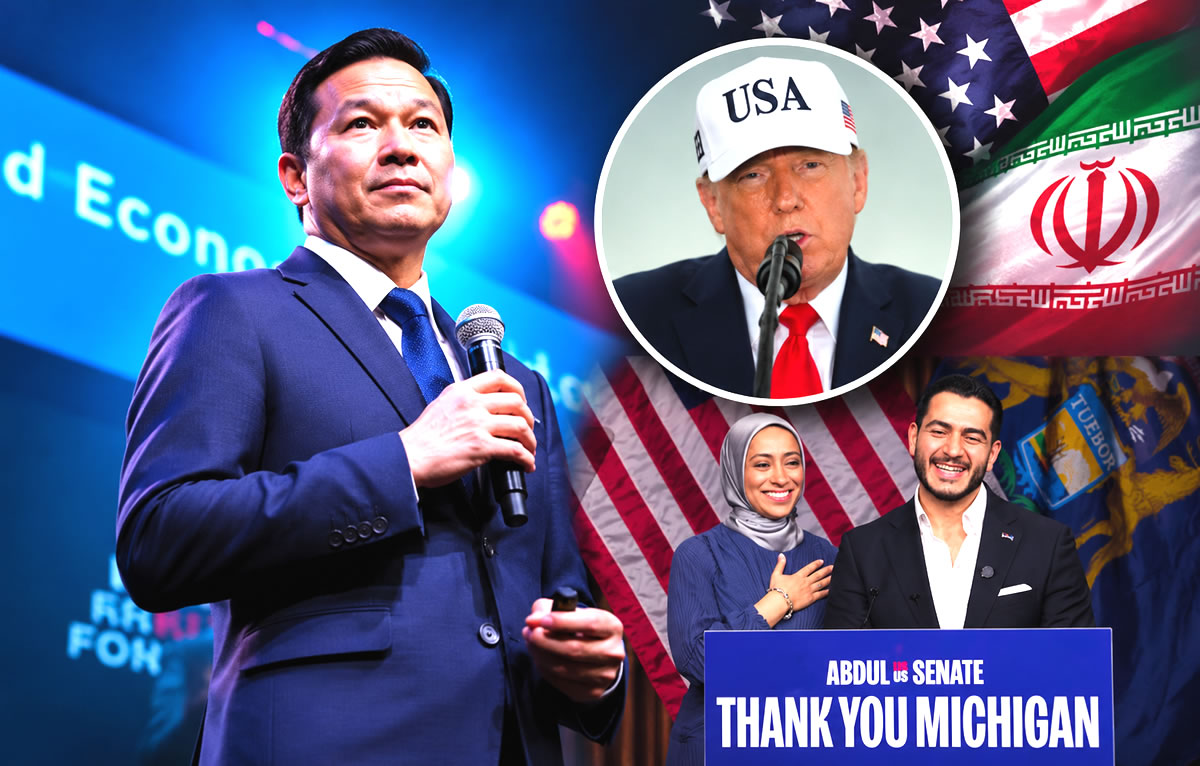
Image: Bank of Thailand Governor Vitai, with annotations showing GDP growth of 2.9% and export growth of 22% (Image credit: Bank of Thailand) (Source: Thai Examiner)

Image: Image accompanying The Nation’s report on the Thai Joint Standing Committee on Commerce, Industry and Banking raising its growth forecast (Source: The Nation)
Thailand–US Reciprocal Trade Agreement Enters Legal Review, with Tariff Rate Expected at Around 19%
Speaking at Government House on November 5, Thai Prime Minister Anutin said Thailand–US negotiations had made substantial progress and that he expected the negotiated tariff rate to be around 19% [9]. According to The Nation, the agreement is currently undergoing legal review. The two sides expect to sign a joint statement around the ASEAN and Asia-Pacific Economic Cooperation (APEC) summits in the next one to two weeks, followed by the formal signing of the main agreement. Existing tariff arrangements will remain in effect until the main agreement is formally signed [9]. Anutin plans to meet with US President Trump on the sidelines of the summits [9].
Why it matters: For Chinese companies with factories in Thailand that primarily export to the US, tariff certainty matters more than the rate itself. If the 19% rate takes effect, Thailand’s tariff rate would differ little from those of neighboring countries such as Vietnam and Malaysia. Competitiveness would then depend more on rules of origin and the share of local value added—pointing in the same direction as Thailand’s discussion of local content in the lead story.
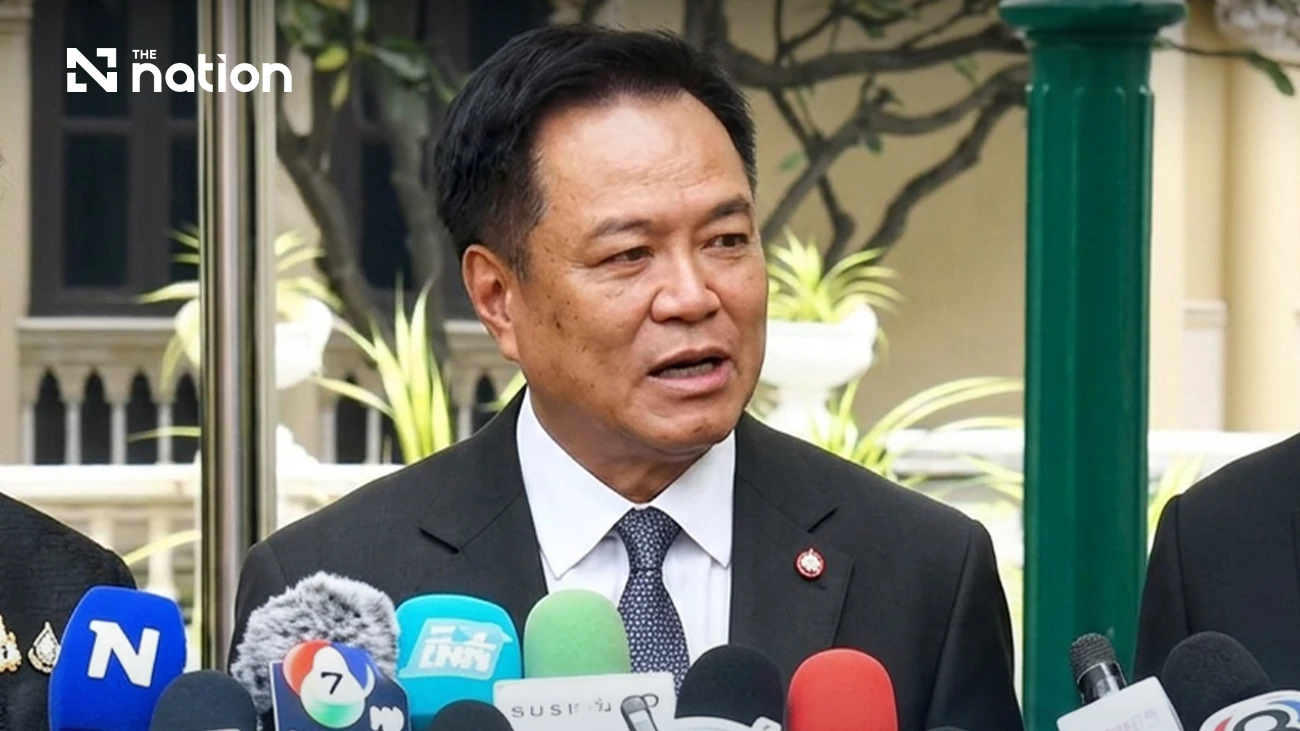
Image: Image accompanying The Nation’s report on the Thailand–US tariff agreement (Source: The Nation)
Thai and Chinese Foreign Ministers Meet: China Seeks Stronger Cooperation on AI, Computing Infrastructure, and Semiconductors
On November 3, Wang Yi met with Sihasak in Beijing. According to China’s Ministry of Foreign Affairs, China will further open its market and is willing to expand cooperation with Thailand in areas including artificial intelligence, computing centers, and semiconductors. Both sides should also step up efforts to combat online gambling and telecom fraud [2]. Sihasak said Thailand welcomes more Chinese companies to invest and operate in the country [2]. According to local media reports, the meeting also helped lay the groundwork for Premier Li Qiang’s upcoming visit to Thailand [3].
Why it matters: The two countries’ senior leaders have identified AI, computing infrastructure, and semiconductors as areas for cooperation, aligning with Thailand’s investment boom in data centers and electronics in recent years. Chinese companies planning to invest in these sectors in Thailand should watch for cooperation documents that may be signed during Li Qiang’s visit. Meanwhile, Thailand’s requirements for technology transfer and local employment are also likely to become clearer.
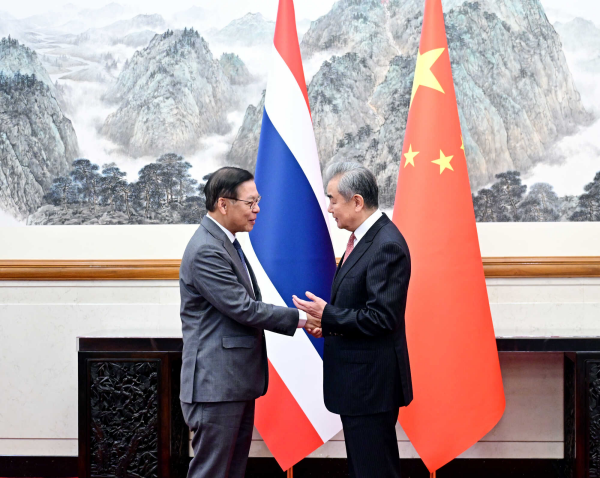
Photo: Wang Yi meets with Thai Deputy Prime Minister and Foreign Minister Sihasak, in a photo released by China's Ministry of Foreign Affairs (Source: Ministry of Foreign Affairs of the People's Republic of China)
Key Figures
- 33.41–33.60 baht per US dollar: The baht's midweek closing range against the dollar; it strengthened 0.48% on November 5 before slipping 0.18% to 33.47 on November 6 [10][11]
- 2.43 trillion baht: Thailand's trade deficit with China in January–September, up 53% year over year [1]
- $108.509 billion: Thailand's imports from China in January–September, with industrial goods accounting for 86% [1]
- 3.90%: Thailand's year-over-year headline CPI increase in October, with fuel prices up 29.18% [4]
- 54.8: Thailand's manufacturing PMI in October, the highest since December 2025 [8]
News Briefs
- Thai stocks: Thailand's SET Index closed at 1,491.01 on November 3, down 1.07%, with trading turnover of 63.49 billion baht, falling below the 1,500 mark [12]
- Diesel prices: A convoy of residents from southern Thailand headed to Bangkok on November 8 to demand a 10-baht-per-liter cut in diesel prices; regular diesel sold for 41.79 baht per liter on November 7 [13]
- Assembly restrictions: Bangkok police banned gatherings within 50 meters of Government House until midnight on November 20 [13]
- Business outlook: JSCCIB lowered its full-year inflation forecast from 2.5%–3.0% to 2.1%–2.5% and noted that crude oil prices stood at $105–110 per barrel in early November [7]
- Rice diplomacy: During the meeting, Sihasak asked China to open its market to Thai rice and proposed holding a “2+2” meeting of foreign and defense ministers next year [3]
Editor's Take
Taken together, several of this week's developments point to the same question: Is the growth Thailand gains from trade with China staying in Thailand? Revisions to industrial data lifted both growth and export figures, but the business community itself acknowledges that roughly 60% of raw materials used in high-growth industries are imported. The record trade deficit with China, alongside a widening surplus with the United States, suggests that Thailand is increasingly serving as an intermediary processing hub between China and the US. In our view, both the rules of origin in a future Thailand–US agreement and domestic discussions over local content and e-commerce quotas will put pressure on Chinese-invested businesses in Thailand. Increasing local sourcing and hiring now is a more proactive approach than waiting for policies to take effect before adjusting.
What to Watch Next
- November 15: China's increase in the foreign-currency deposit reserve requirement ratio to 6% takes effect; watch movements in the yuan against the baht [8]
Sources
- Thailand's China trade deficit hits THB2.43tn, with THB3tn possible in coming years — The Nation, accessed on 2026-11-08
- Wang Yi Meets with Deputy Prime Minister and Minister of Foreign Affairs of Thailand Sihasak Phuangketkeow — Ministry of Foreign Affairs of the People's Republic of China, accessed on 2026-11-08
- Thai minister to meet Chinese Premier on rice deal — Hua Hin Localplus, accessed on 2026-11-08
- Thai inflation rises to 3.90% in October as fuel costs jump — The Nation, accessed on 2026-11-08
- Thailand's headline inflation jumps 3.9 pct in October — Xinhua, accessed on 2026-11-08
- Bank of Thailand boss sees revised GDP data growth of up to 2.9% as Bangkok watches White House moves — Thai Examiner, accessed on 2026-11-08
- JSCCIB lifts 2026 growth outlook to 2.4-2.6% — The Nation, accessed on 2026-11-08
- Thailand Business News — Morning Briefing | Tuesday, 3 November 2026 | Thailand, ASEAN and Global Markets — Thailand Business News, accessed on 2026-11-08
- Anutin plans Trump talks as US midterms leave tariff deal on track, with rate expected at 19% or lower — The Nation, accessed on 2026-11-08
- Thai baht/US dollar stronger on Thursday — Business Recorder (Reuters), accessed on 2026-11-08
- Thai baht/US dollar weaker on Friday — Business Recorder (Reuters), accessed on 2026-11-08
- Market Roundup 3 November 2026 — KAOHOON INTERNATIONAL, accessed on 2026-11-08
- Thai fuel protest convoy heads for Bangkok despite police ban on gatherings until Nov 20 — Malay Mail, accessed on 2026-11-08