This week brought Malaysia and Chinese companies closer together, even as tighter rules added constraints: Anwar returned from APEC in Shenzhen with around RM9.2 billion in investment intentions from Chinese companies, while new U.S. licensing rules for advanced chip exports to Malaysia and four other countries took effect. October exports surged roughly 60% year over year, third-quarter economic growth reached 5.5%, and the ringgit edged lower against the U.S. dollar.
This Week's Top Story: Anwar's Shenzhen Visit Secures RM9.2 Billion in Chinese Investment Intentions
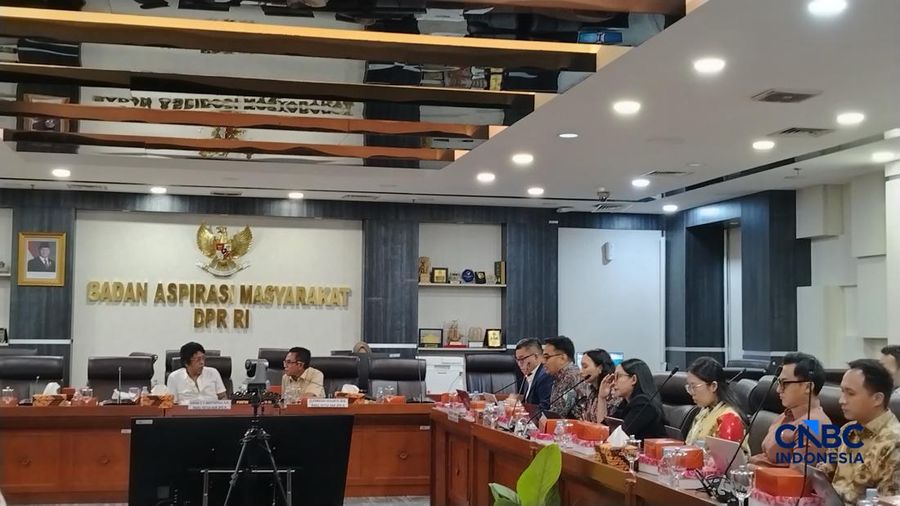
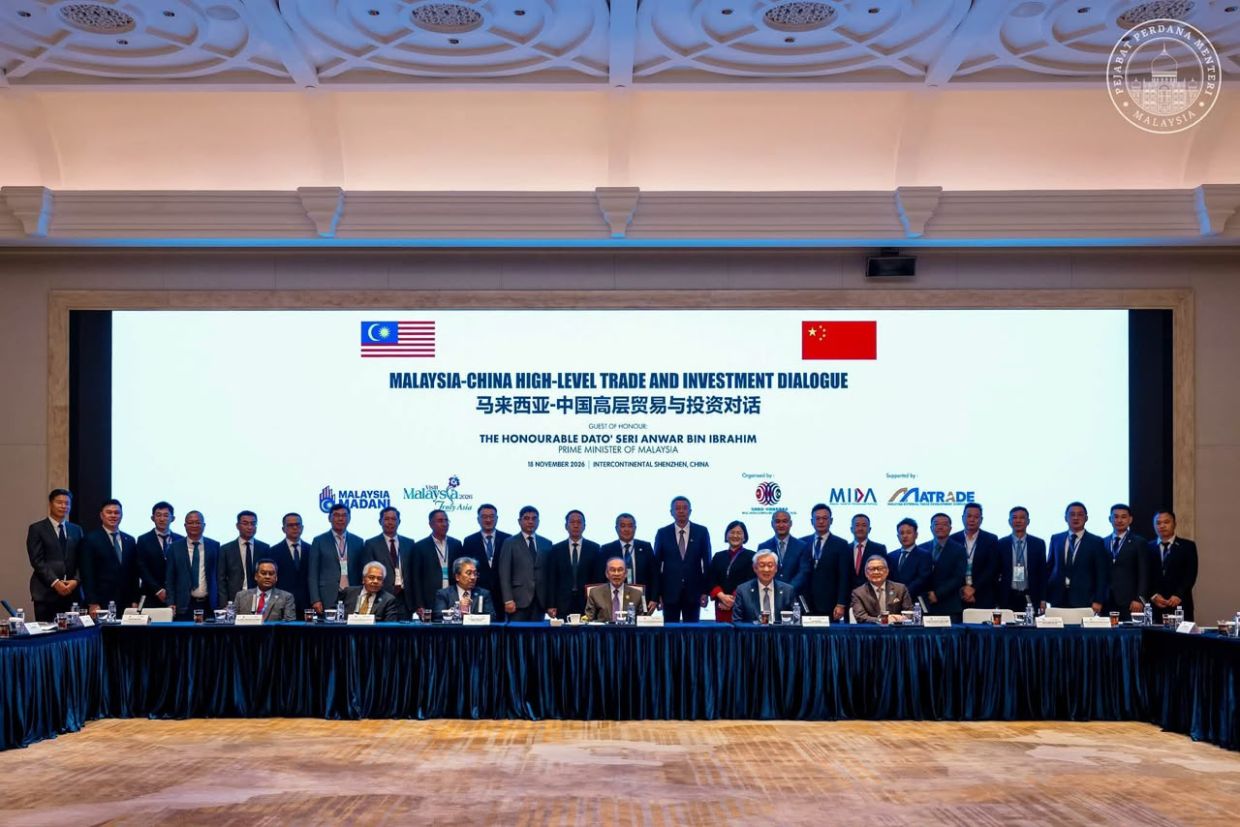
What happened. From November 18 to 20, Malaysian Prime Minister Anwar held a packed series of meetings with companies in China while attending the 33rd Asia-Pacific Economic Cooperation (APEC) Economic Leaders' Meeting in Shenzhen. On November 19, he told Malaysian media that he had secured around RM9.2 billion in “indicative” investment proposals, with details of individual projects to be announced later by the Malaysian Investment Development Authority (MIDA) [1]. More than seven companies participated in the talks, including Fast Print Circuit Tech, Fast Train Technology, Jinci Material, and companies in the new energy materials sector. Proposed projects span states including Kedah, Penang, Selangor, and Pahang, with the federal government pledging to help expedite implementation [1]. That same day, Anwar also held separate meetings with four companies: Mindray, Tinci Materials, Capchem, and XTC New Energy Materials. Mindray is evaluating a medical device manufacturing facility or service center in Malaysia; Tinci Materials is considering producing lithium-ion battery electrolytes and specialty chemicals; XTC New Energy Materials plans to invest in lithium-ion battery cathode material production capacity in Selangor; and Capchem, which already operates in Kedah's Kulim Hi-Tech Park, is evaluating a second plant to meet demand in Southeast Asia [2].
Background. This round of talks in Shenzhen focused on a handful of sectors: printed circuit boards, lithium-ion battery materials, specialty chemicals, and medical devices. Citing the New Industrial Master Plan 2030 (NIMP 2030), Anwar said Malaysia prioritizes high-quality investment that strengthens local industrial competitiveness, with the aim of bringing local businesses into supply chains, encouraging technology transfer, and creating high-skilled jobs [2]. The Malaysia-China Business Council (MCBC) also hosted the Malaysia-China High-Level Economic, Trade and Investment Dialogue in Shenzhen, where participating Chinese companies were asked to outline their specific plans for Malaysia and identify where government support was most needed. Some Chinese companies are also exploring sourcing high-end manufactured products, specialty chemicals, polymers, digital services, and palm oil products from Malaysia [3].
Implications. In our view, this latest round of announcements sends three signals to Chinese companies already operating in Malaysia or preparing to enter the market. First, electronics and new energy materials remain the sectors where Malaysia is most willing to commit resources. Clusters of lithium battery materials companies in Selangor and Kedah will continue to strengthen, and upstream and downstream suppliers can begin assessing opportunities to follow suit. Second, Malaysia is placing increasing emphasis on “local content”: local supplier participation, technology transfer, and the share of local employees will come up repeatedly in project negotiations. Third, the Malaysian listing pathway and “sourcing from Malaysia” initiative mentioned by MCBC suggest that Chinese companies can plan for Malaysia to serve not only as a manufacturing base for exports, but also as a regional sourcing and financing hub. Anwar also noted that bilateral trade between Malaysia and China reached RM541.15 billion in 2025 [1]. This trade corridor benefits not only large corporations, but also small and medium-sized enterprises.
What remains uncertain. The RM9.2 billion figure is only “indicative,” and Anwar himself emphasized that it is the “current figure.” Investment amounts, timelines, and incentives for individual projects have yet to be disclosed [1]. Projects such as Capchem’s second plant and XTC New Energy’s cathode materials project remain under evaluation or in the planning stages [2]. According to MIDA, manufacturing projects generally take 18 to 24 months to move from approval to implementation [8], while indicative investment intentions have not even reached the approval stage. Companies assessing the competitive landscape should therefore rely on the approved projects MIDA announces subsequently.
Top Stories
New U.S. Export Licensing Rules for Advanced Chips Take Effect as Malaysia Seeks Clarification
The U.S. Department of Commerce’s Bureau of Industry and Security (BIS) requires licenses for the export, reexport, or in-country transfer of certain advanced chips to Malaysia, Singapore, Indonesia, Thailand, and Brazil; companies headquartered in the United States or whose ultimate parent company is headquartered there may qualify for an exemption if they meet reporting requirements; overseas data centers may not provide large-scale computing power to companies headquartered in China or other specified countries, or in Macau [4]. Malaysia’s Minister of Investment, Trade and Industry, Johari, said the government is seeking clarification from the United States on the licensing requirements and the scope of “providing data center services to third parties.” Once formal notification is received from the United States, the government will notify all 117 approved data center projects nationwide to comply with the rules. Investigations into allegations of unlawful GPU transshipment through Malaysia remain ongoing, and the government has not yet seen the relevant documentation [5].
Why it matters: Chinese AI companies renting computing capacity in Malaysia to train models, along with local data centers serving Chinese clients, will be the first affected. Chinese-backed server assembly and data center projects will need to reassess their customer mix and compliance costs.
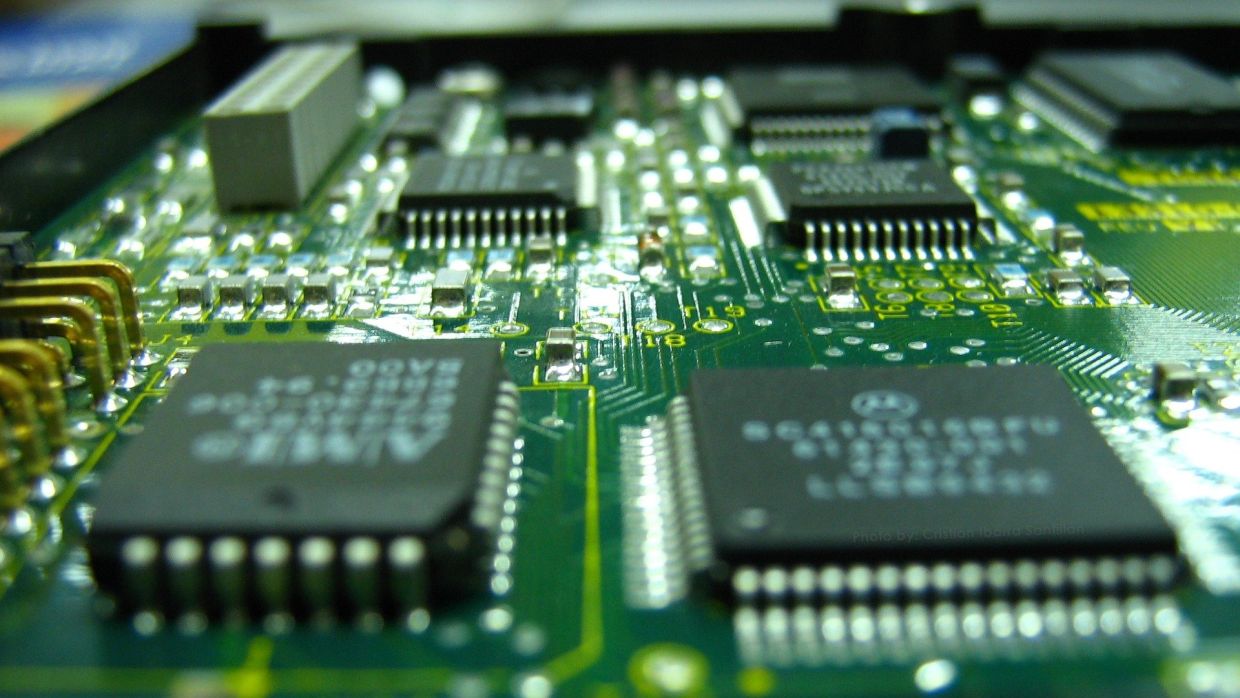
Image: Lead image for The Star’s report on US export licensing requirements for advanced chips to Malaysia (Source: The Star)
October exports surge 61.1% year over year as monthly trade tops RM400 billion for the first time
Malaysia’s Ministry of Investment, Trade and Industry (MITI) announced on November 20 that October exports rose 61.1% year over year to a record RM239.2 billion, the fastest growth since April 2021; imports increased 54.4% to RM197.41 billion, resulting in a trade surplus of RM41.8 billion [6]. Electrical and electronic products remained the main growth driver, increasing by RM58.51 billion from a year earlier, supported by global semiconductor demand and AI applications [6]. In the first 10 months, exports grew 37.1% to RM1.81 trillion, while the trade surplus doubled to RM274.81 billion [6]. MBSB Research subsequently raised its 2026 export growth forecast from 32% to 39%, but cautioned that a higher comparison base could slow growth in 2027, with uncertainty over U.S. trade policy remaining a key risk [7].
Why it matters: Malaysia’s export boom is heavily concentrated in electrical and electronic products and AI-related goods, supporting orders for Chinese companies providing electronics-related supplies, logistics, and industrial services in Malaysia. However, the more concentrated the export mix, the more vulnerable it is to U.S. chip controls and tariff policies.
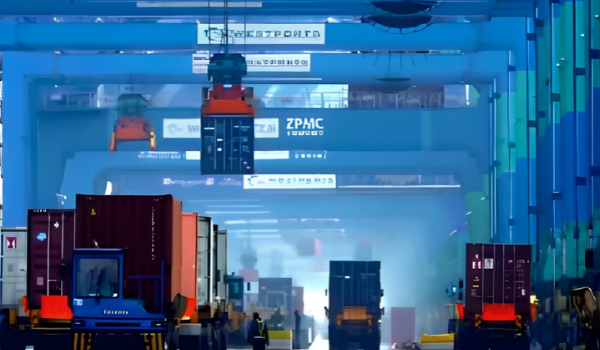
Photo: Foto RTM (Source: Portal Berita RTM)
Approved investment reaches RM350.4 billion in the first three quarters, with China the second-largest foreign investor
MIDA announced on November 17 that Malaysia recorded RM350.4 billion in approved investment across 4,387 projects from January through September 2026, up 20.7% year over year [8]. Foreign investment accounted for RM212.3 billion, up 40.7%; based on the ultimate source of investment, the United States ranked first with RM60 billion, followed by China with RM38.6 billion and Singapore close behind with RM38.5 billion [8]. Approved investment in data center and cloud computing projects totaled RM123.5 billion, representing 35.2% of all approved investment [8]. Manufacturing attracted RM106.3 billion in approved investment, led by electrical and electronics at RM40.8 billion, up 85.3% year over year [8]. By state, Johor ranked first with RM99.7 billion, followed by Selangor and Penang [8].
Why it matters: China remains firmly among Malaysia’s top two sources of investment, but a surge in data center projects has propelled the United States into first place. Chinese companies in sought-after locations such as Johor and Penang will face fiercer competition for land, electricity, and talent.
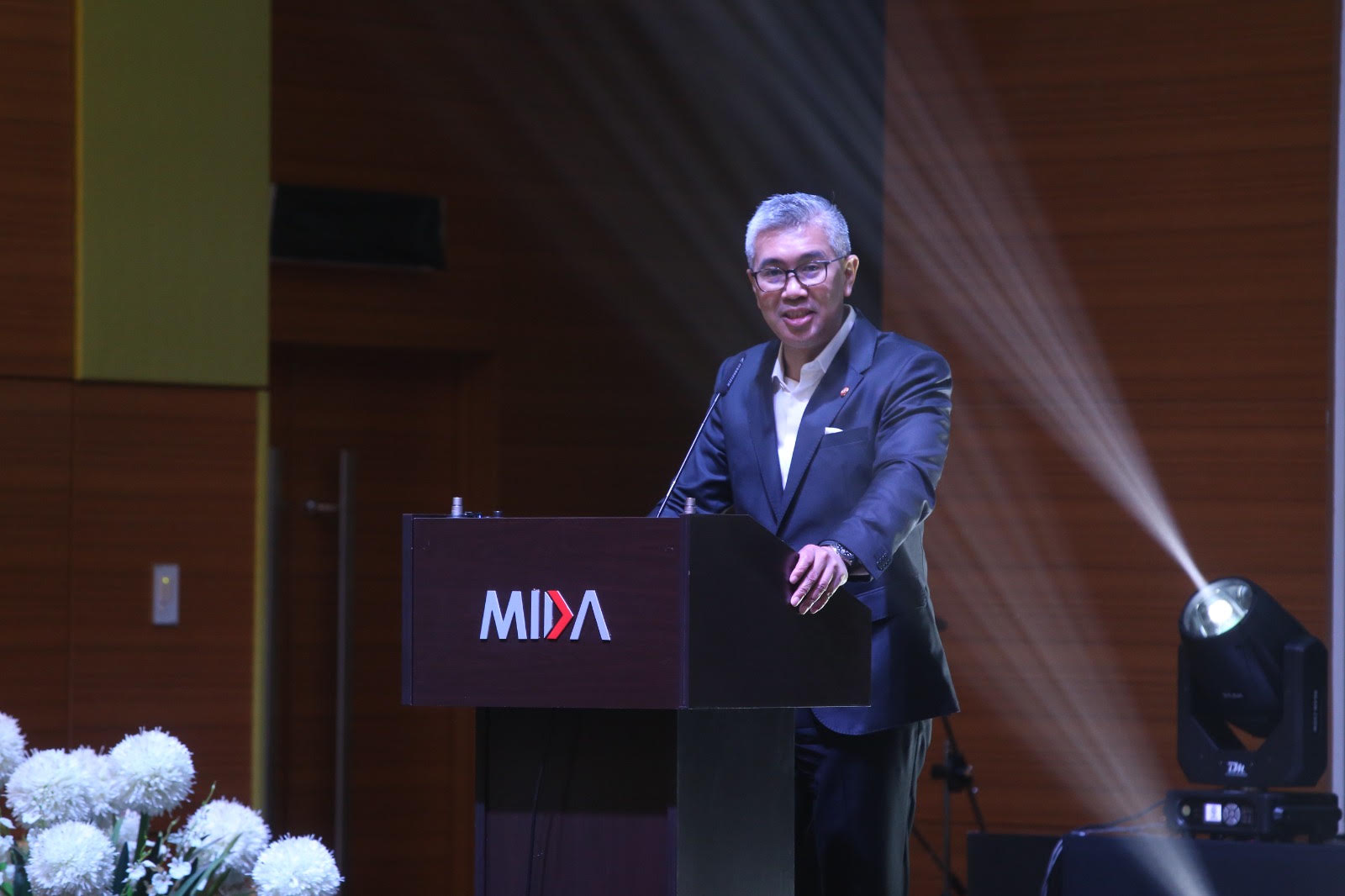
Image: YM Tengku Datuk Seri Utama Zafrul Tengku Abdul Aziz, Chairman of MIDA (Source: MIDA)
Economy Grows 5.5% in Q3; Central Bank Expects Full-Year Growth to Exceed 5%
Bank Negara Malaysia (the central bank) announced on November 18 that third-quarter gross domestic product (GDP) grew 5.5% year over year, bringing growth for the first three quarters to 5.6% [9]. Third-quarter foreign direct investment totaled RM14.3 billion, while headline inflation stood at 1.9% and core inflation at 1.7% [9].
Why it matters: Solid domestic demand and investment are good news for Chinese companies operating in Malaysia’s retail, consumer goods, and construction contracting sectors. However, the central bank cautioned that inflation could rise toward year-end and into early next year, so budgets for raw materials and labor costs should include a buffer.
Key Figures at a Glance
- 4.1105: The ringgit’s Friday closing exchange rate against the US dollar on November 20, weakening slightly by about 0.6% from 4.0845 a week earlier [10]
- RM239.2 billion: October exports, up 61.1% year over year [6]
- RM38.6 billion: Approved investment from China from January through September, ranking second among foreign investment sources [8]
- RM9.2 billion: Indicative investment proposals from Chinese companies secured during Anwar’s visit to Shenzhen [1]
- 5.5%: Year-over-year GDP growth in Q3 [9]
News Briefs
- China–Malaysia Leaders’ Meeting: Xi Jinping met with Anwar in Shenzhen on November 20, calling for high-quality operation of key projects, increased agricultural trade, and expanded cooperation in areas including tourism and education [11]
- Data Center Localization: MIDA reiterated that the Data Centre Task Force requires new data centers to meet a minimum 30% local content requirement [8]
- Exports to China: MCBC said participating Chinese companies were exploring sourcing specialty chemicals, polymers, and palm oil products from Malaysia. Anwar also expressed his hope to create more opportunities for Malaysian products to be exported to China [1][3]
Editor’s Take
In our view, this is what Malaysia’s “open to all countries” strategy looks like in practice: welcoming Chinese manufacturing investment while choosing to align with US rules on advanced computing—the area of greatest sensitivity to Washington. For Chinese companies, traditional manufacturing and new energy materials remain among Malaysia’s most welcoming sectors. Businesses involving AI computing capacity and GPU servers, however, need to treat compliance as a prerequisite for market entry, not an afterthought. Rapid growth in both exports and investment is concentrated in electrical and electronics industries and data centers. Any further tightening by the US could therefore trigger greater volatility across the related supply chains.
What to Watch Next
- November 24: Release of the US Conference Board Consumer Confidence Index for November, which could influence the ringgit’s near-term movements [10]
- November 25: Release of the US Personal Consumption Expenditures (PCE) Price Index for October, which markets will use to assess whether the Federal Reserve will raise interest rates in December [10]
References
- Malaysia Draws RM9.2 Bln In Indicative Investment Proposals From China - Anwar — BERNAMA, accessed on 2026-11-22
- Anwar Holds Talks With Four Chinese Companies, Seeks To Deepen Business Ties With China — BERNAMA, accessed on 2026-11-22
- Major Chinese firms discuss expanding investments in Malaysia after Shenzhen dialogue with Anwar — The Star, accessed on 2026-11-22
- US to impose new export licence requirements on advanced chips to Malaysia — The Star, accessed on 2026-11-22
- Malaysia Seeks US Clarification On AI Chip Restrictions, Investigates Alleged Re-exports – Johari — BERNAMA, accessed on 2026-11-22
- Malaysia's exports surge 61.1 pct in October to record high — Xinhua, accessed on 2026-11-22
- MBSB Research raises Malaysia's export growth forecast — Portal Berita RTM, accessed on 2026-11-22
- Malaysia Records RM350.4 Billion in Approved Investments in the First Nine Months of 2026, Up 20.7% — MIDA, accessed on 2026-11-22
- Malaysia’s economy grows 5.5pc in Q3 on stronger exports, continued domestic spending — Malay Mail, accessed on 2026-11-22
- Ringgit Expected To Trade With Slight Positive Bias Next Week — BERNAMA, accessed on 2026-11-22
- Xi Says China Ready For Closer Cooperation With Malaysia — BERNAMA, accessed on 2026-11-22